

Jingdezhen Ceramics Guide
Ceramics are more than objects—they are vessels of culture, memory, and daily ritual. In China, one place has shaped ceramic history for over a thousand years: Jingdezhen, known as the Porcelain Capital of the world. Therefore, this article explores the rich heritage of Jingdezhen ceramics through four lenses: culture, craftsmanship, Eastern aesthetics, and tea tradition.
1. The Cultural Legacy of Jingdezhen Ceramics
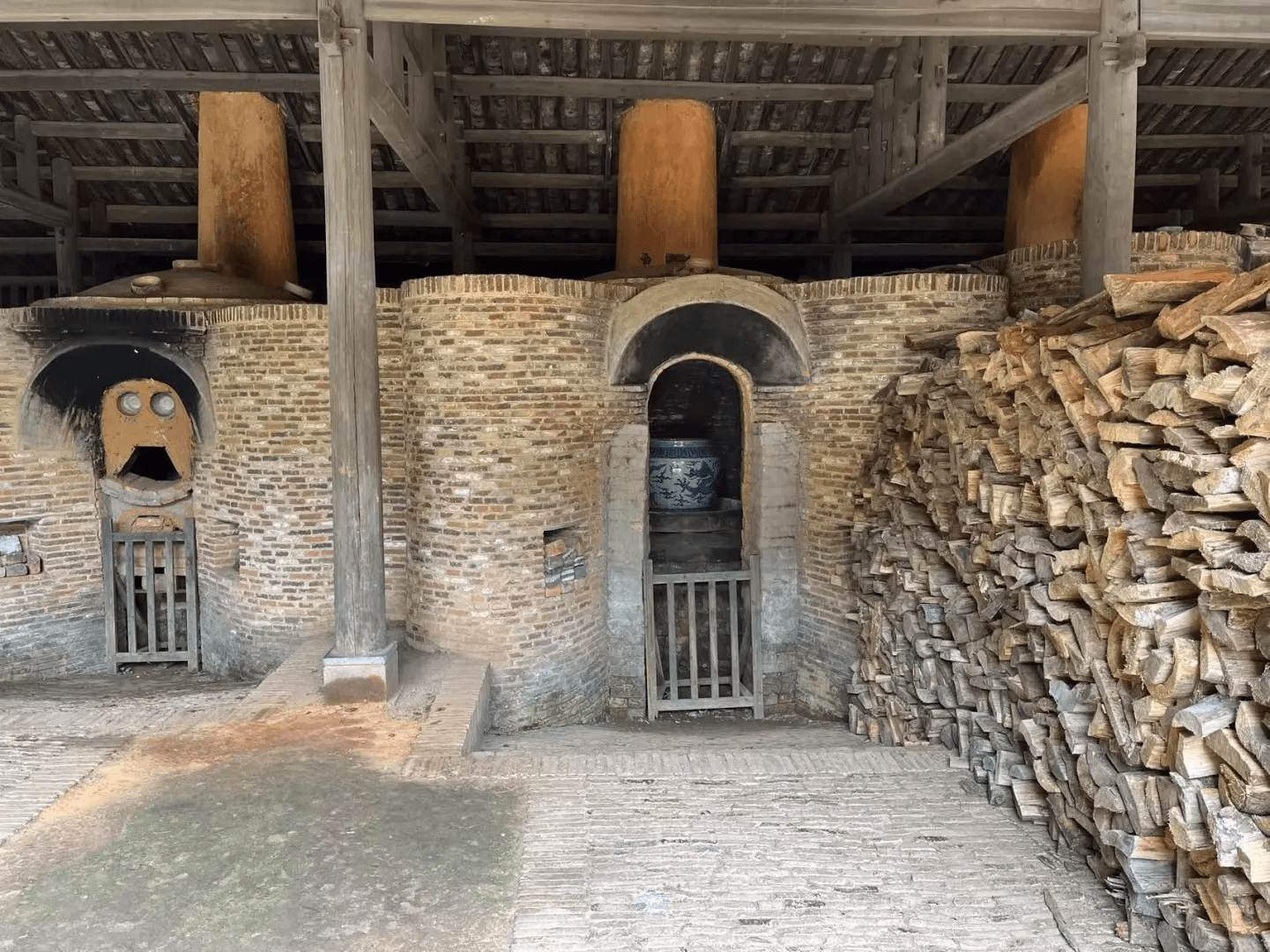
Jingdezhen has been producing porcelain since the Han Dynasty, reaching its peak during the Ming and Qing dynasties. Historically, its high-quality ceramics were once exclusively made for imperial courts. However, what makes Jingdezhen ceramics unique today is not only its rich history, but also its continuity—craft traditions are still passed down through generations of artisans.
2. Handmade Craftsmanship in Jingdezhen Ceramics
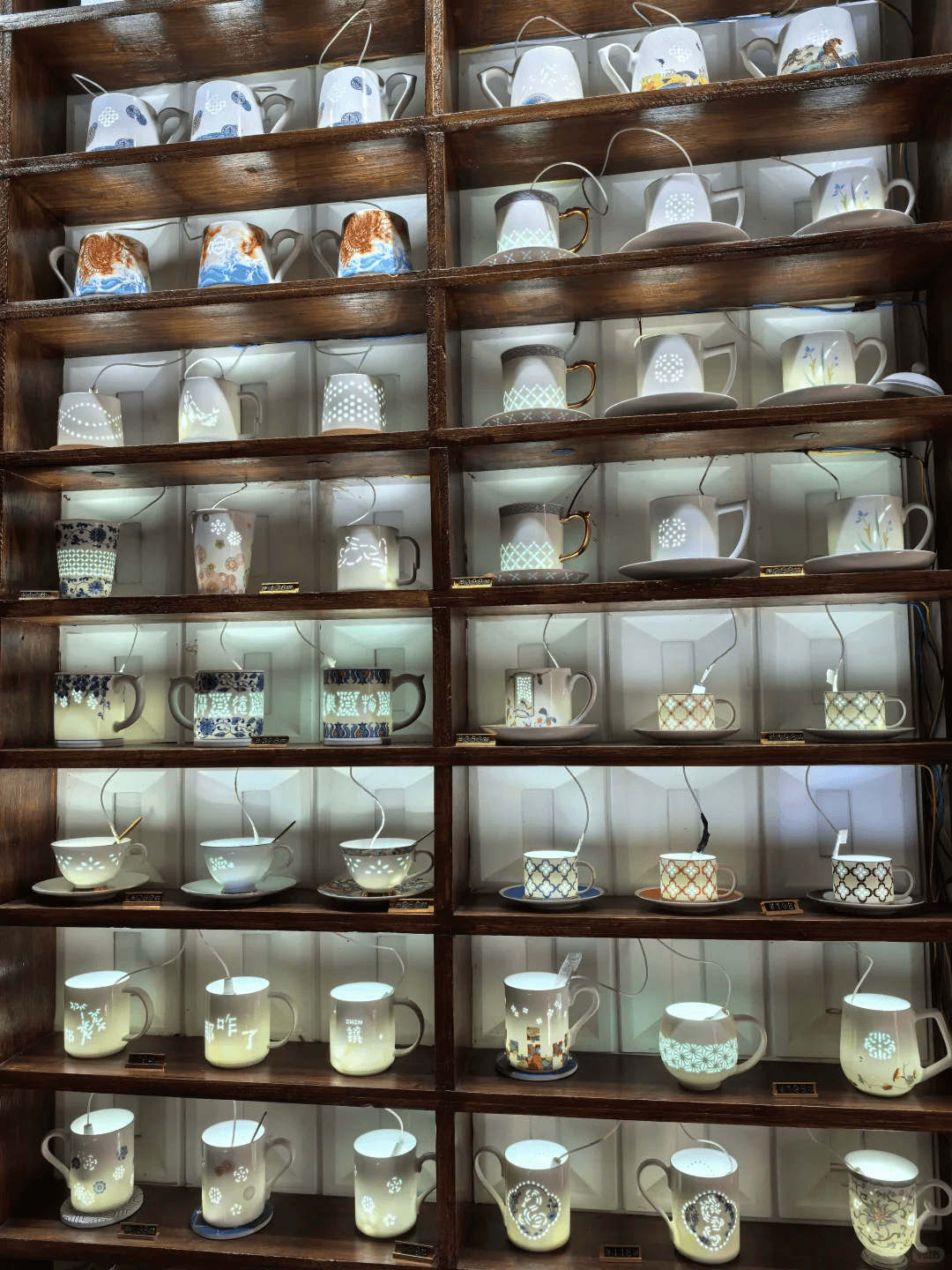
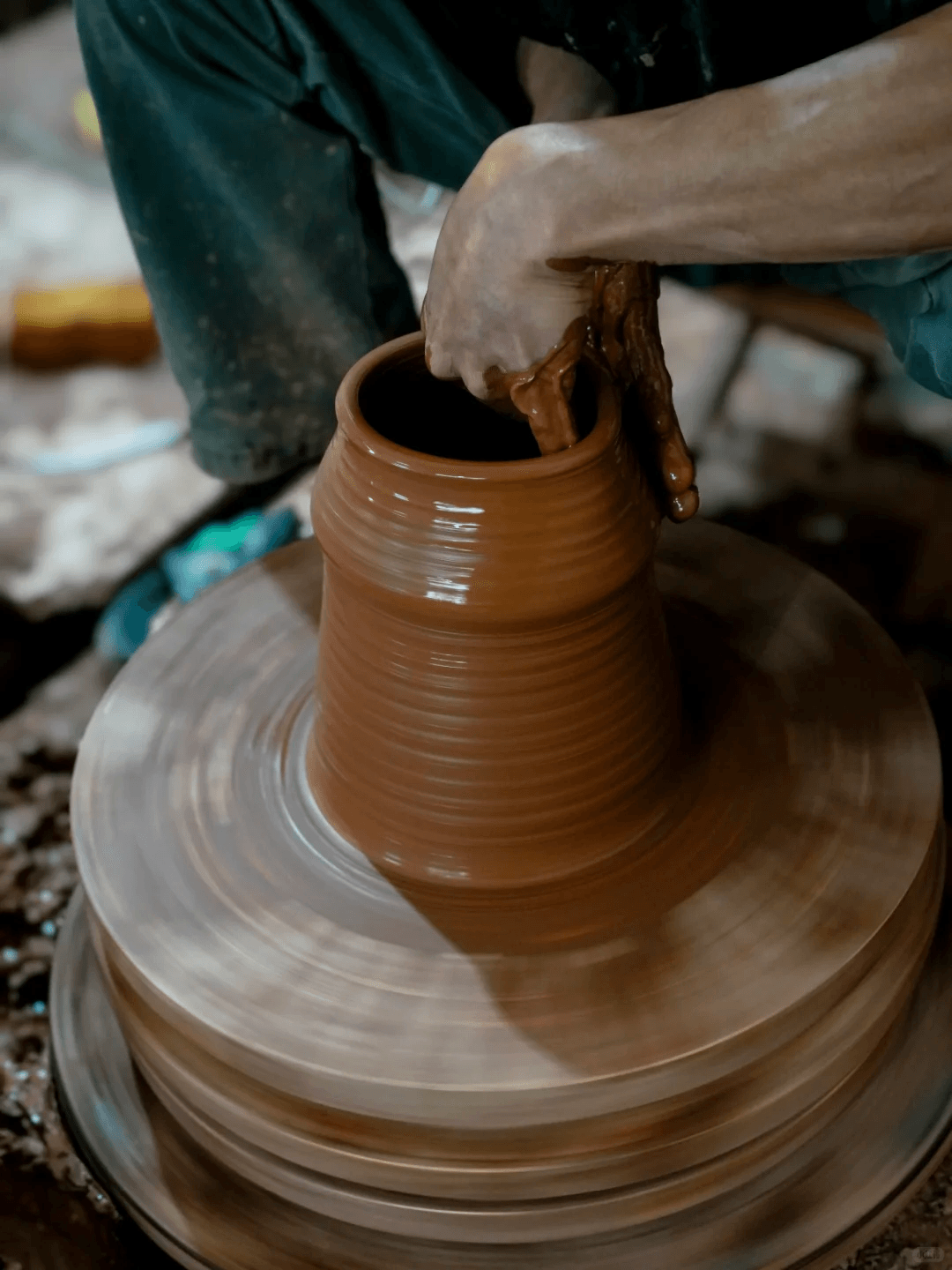
Handmade ceramics go through multiple delicate stages: shaping, drying, carving, glazing, and firing. Unlike industrial factory production, every handmade piece carries subtle variations—finger marks, glaze flow, kiln reactions—making each object truly one of a kind. In addition, during wood-firing or traditional kiln processes, fire becomes anHandmade ceramics go through multiple delicate stages: shaping, drying, carving, glazing, and firing. Unlike industrial production, every piece of authentic Jingdezhen ceramics carries subtle variations—finger marks, glaze flow, kiln reactions—making each object truly one of a kind. In wood-firing or traditional kiln processes, fire becomes an unpredictable collaborator, shaping beauty through imperfection. unpredictable collaborator, shaping beauty through imperfection.
3. Eastern Aesthetics: The Beauty of Imperfection
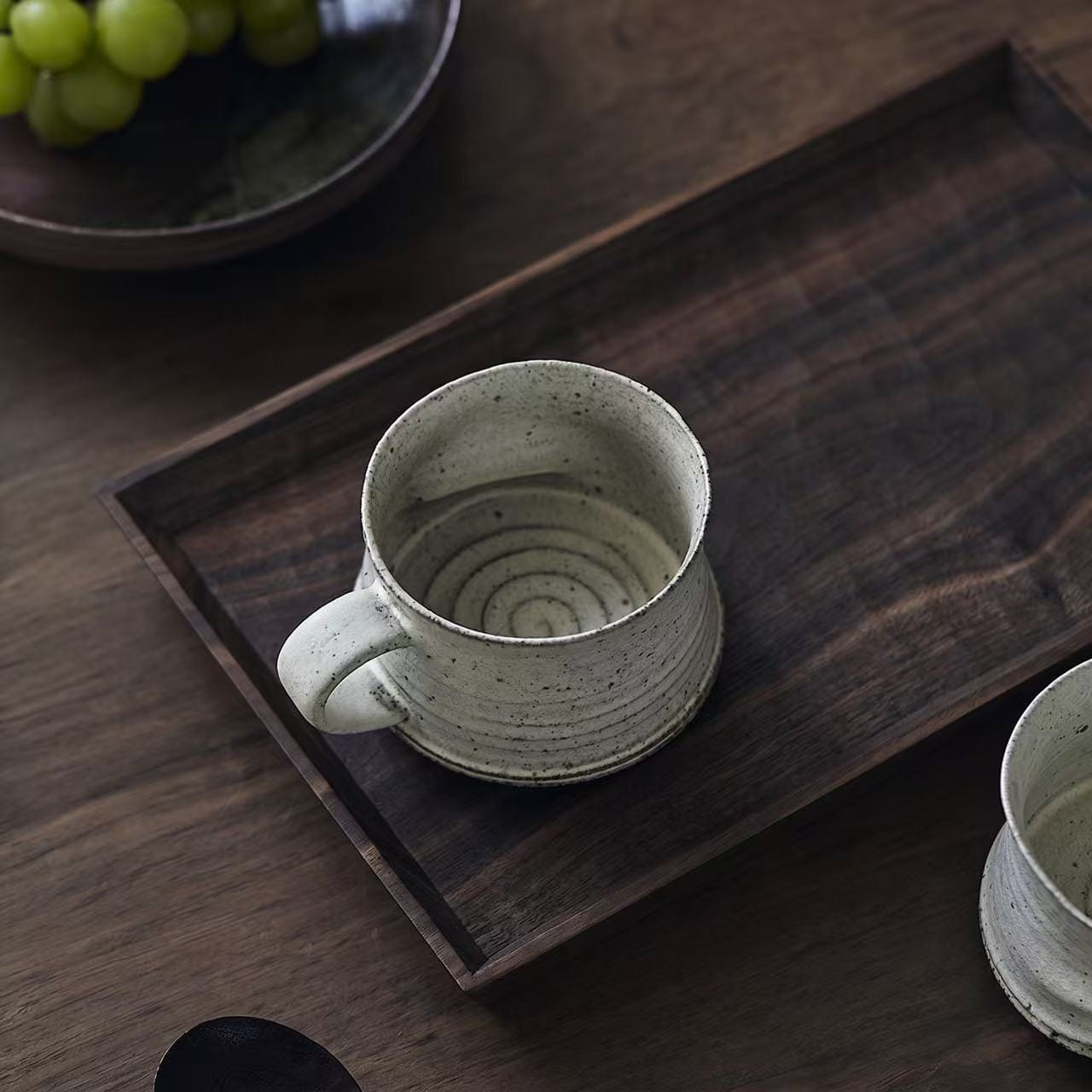
Eastern aesthetics values simplicity, silence, and natural imperfection. A key philosophy is Wabi-Sabi—the appreciation of impermanence and irregular beauty. In Jingdezhen ceramics, this means embracing asymmetry, texture, and organic form rather than perfect symmetry. The beauty is not in perfection, but in authenticity.
4. Tea Culture & Ceramic Tableware
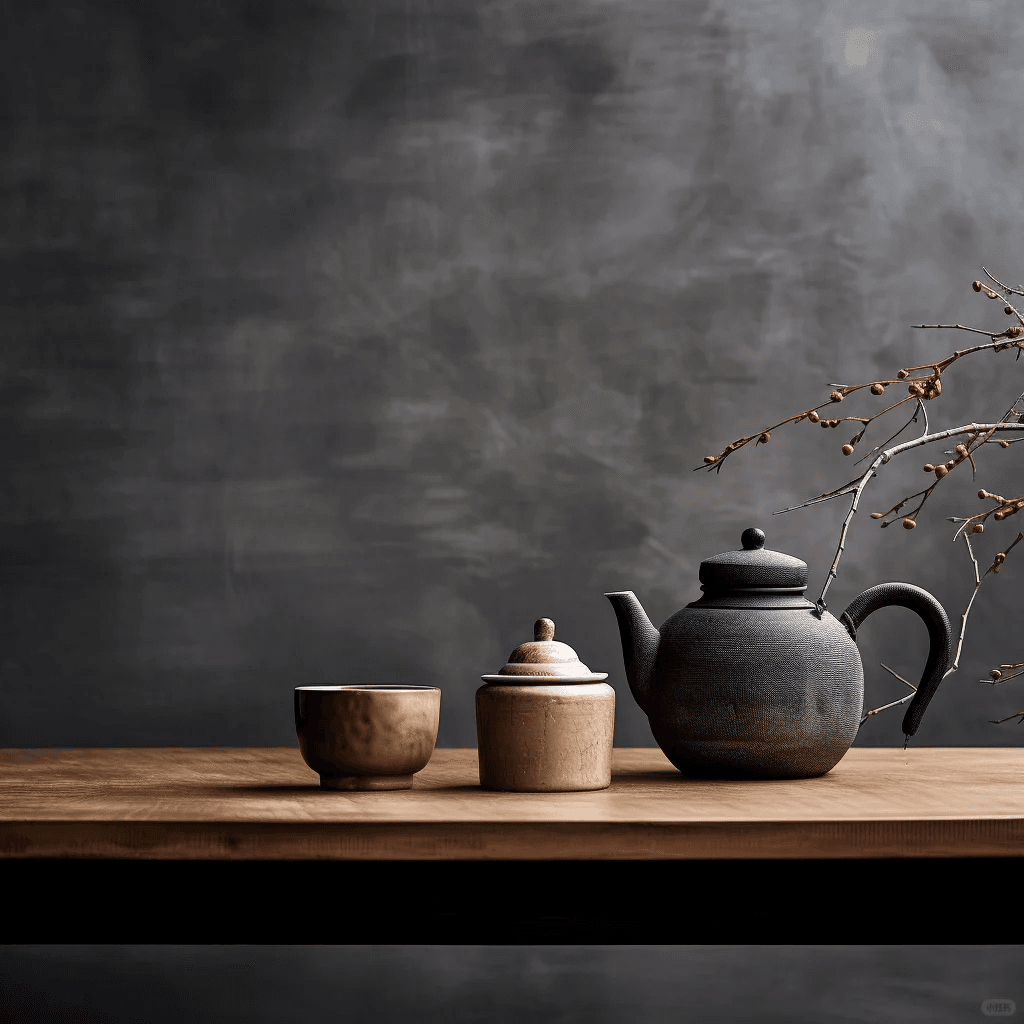
Tea culture is deeply connected with ceramics. In Gongfu tea practice, small cups and teapots are designed to enhance aroma, temperature, and experience. Furthermore, the best tea ware is not only functional, but also emotional—it shapes how we slow down and experience time. A handcrafted cup, therefore, becomes part of the ritual, turning tea drinking into a mindful moment.
Conclusion
From cultural heritage to handmade craft, from Eastern philosophy to tea ritual—Jingdezhen ceramics represent a living tradition rather than a static art form. Ultimately, each piece carries earth, fire, and human touch.