

In a world dominated by mass-produced factory goods, the connection between Jingdezhen ceramics and Wabi-Sabi offers a refreshing return to authenticity. We crave objects that tell a story, carrying the warmth of a human hand.
While Jingdezhen is globally famous for its flawless, imperial “white gold” porcelain, however, there is another side to this Porcelain Capital—one that embraces the natural, the rugged, and the beautifully imperfect.
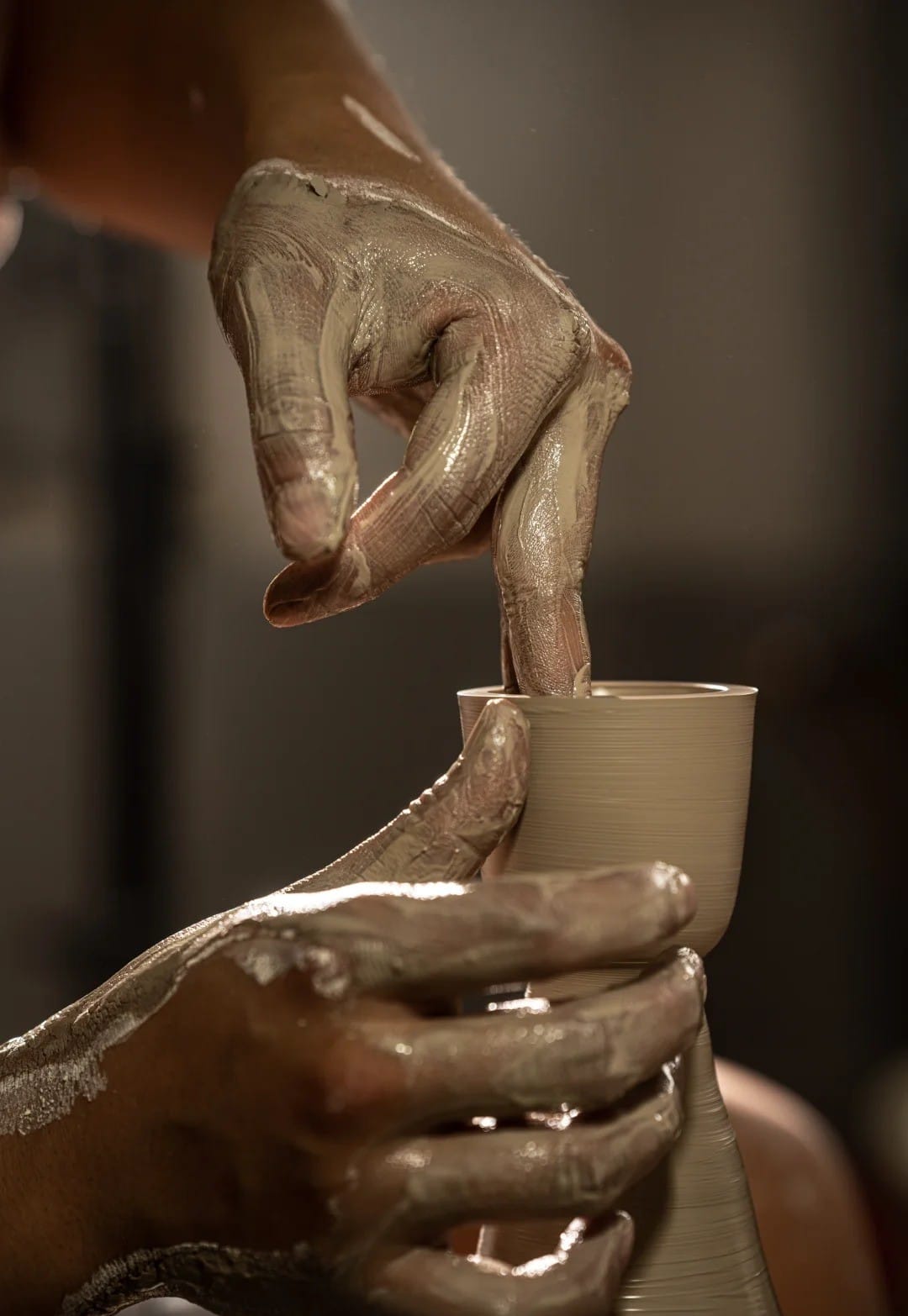
What is Wabi-Sabi?
Originating from Eastern philosophy, Wabi-Sabi is the beauty of things imperfect, impermanent, and incomplete. Therefore, it is a concept that finds splendor in the modest, the weathered, and the unconventional. When applied to ceramics, for instance, it means celebrating the unique thumbprint of the maker, the slight asymmetry of a bowl, or the unpredictable patterns formed inside a kiln.
Jingdezhen Ceramics Wabi Sabi and Wood Firing
As pine wood burns at temperatures exceeding 1300°C, fly ash flies through the kiln, landing randomly on the unglazed clay. In addition, the result is a completely unique glaze created by fire and ash alone.
As pine wood burns at temperatures exceeding 1300°C, fly ash flies through the kiln, landing randomly on the unglazed clay. The result? A completely unique glaze created by fire and ash alone.
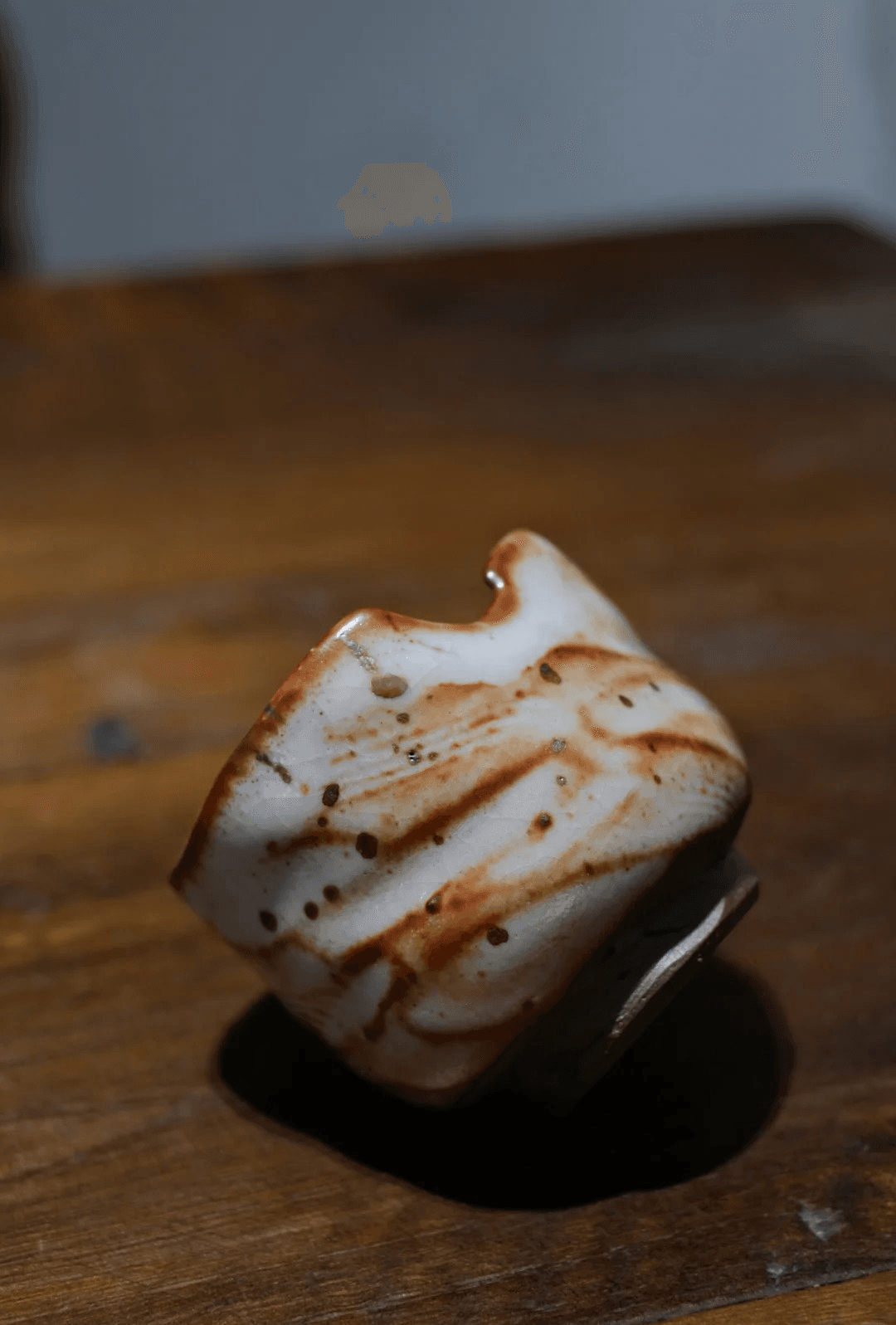
When you look at a wood-fired piece from Jingdezhen, you might notice:
Natural Ash Glazes: Earthy tones ranging from deep greens to golden browns.
Warm Textures: Surfaces that feel organic, connecting you directly to the earth.
Flawed Perfection: No two pieces are ever identical. The kiln decides the final look.
Jingdezhen Ceramics and the Art of Wabi Sabi in Modern Life
Choosing a piece of handmade, Wabi-Sabi inspired ceramic ware is more than just home decoration; indeed, it is a lifestyle choice. Whether it is a rustic teacup for your daily brew or a simple flower vase, therefore, these objects remind us to slow down. Furthermore, they teach us to appreciate our own flaws and the passing of time.
Consequently, next time you hold a piece of Jingdezhen pottery, look closely. The small bumps, the uneven glaze, and the marks of the flame—these aren’t defects. Instead, they are the true soul of the piece.
At the end of the post, add: “Explore our collection of [Handmade Ceramic Tea Ware] to find your perfect imperfect piece.